Valletta: Caravaggio, gardens and a cannon
The Knights of St John built the city after the Great Siege of 1565. St John's Co-Cathedral looks plain from outside; inside it's all gold, Baroque painting and a floor of marble tombstones. Its oratory holds Caravaggio's “The Beheading of Saint John the Baptist”: over five metres wide and the only work he ever signed, with his name trailing out of the saint's blood.
A short walk away, the Upper Barrakka Gardens give you the best balcony over the Grand Harbour. Right below, the Saluting Battery still fires its ceremonial round: look up the time before you go.
The Three Cities: the harbour minus the crowds
Birgu, Senglea and Bormla all predate Valletta: the Knights settled here in 1530. You get fewer tour groups, more washing lines and alleys that are nice to get lost in. Birgu has Fort St Angelo; at the tip of Senglea, the Gardjola Gardens keep a lookout post with an eye and an ear carved into the stone.
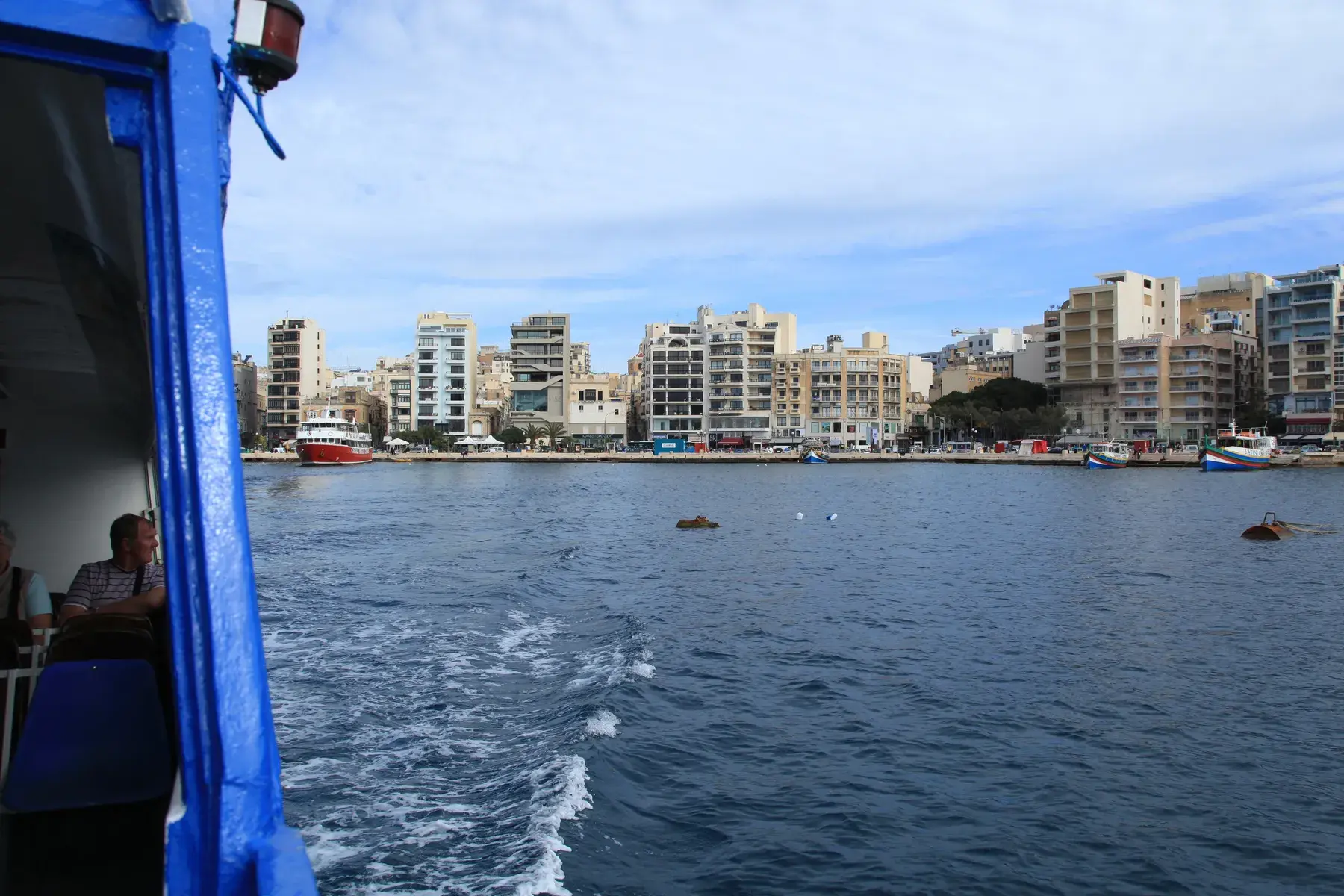
The fun way in is by water: ferries and dgħajsas, the traditional harbour boats, cross from below Valletta. Services shift with the season, so confirm first.
The south: sea caves, temples and painted boats
The caves and the temples sit almost side by side and fill a morning together. Marsaxlokk and the Hypogeum lie in a different direction: on the bus, stick to two stops a day.
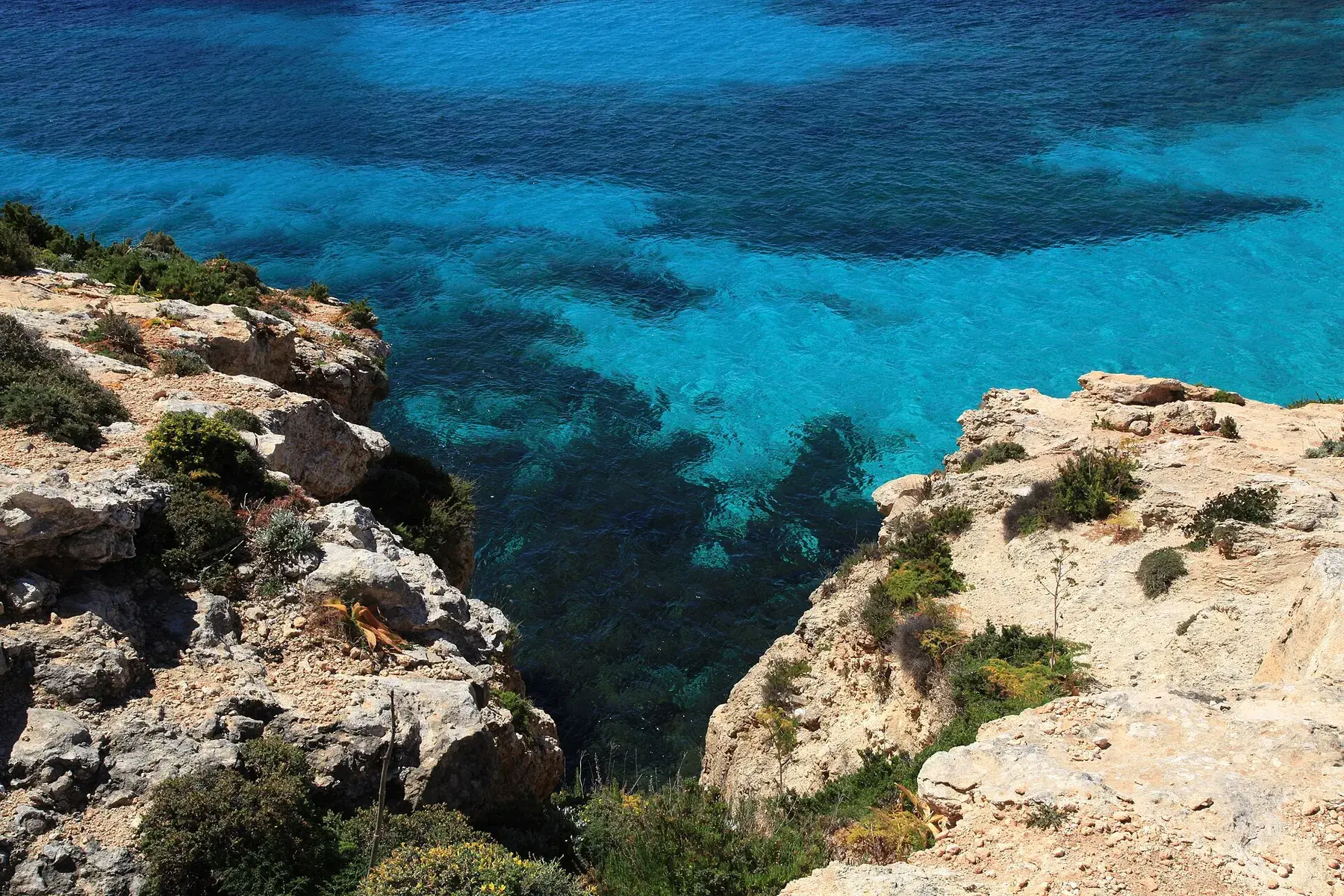
- Blue Grotto: sea caves on the Żurrieq coast. The small boats only go out when the water is calm; if it's choppy, there's still the lookout on the road above.
- Ħaġar Qim and Mnajdra: megalithic temples over 5,000 years old, a UNESCO World Heritage Site, a short walk apart with the sea behind them.
- Marsaxlokk: a fishing village full of luzzu, the bright boats with eyes painted on the bow. The market is mostly fish, and by mid-morning it's hard to move.
- Ħal Saflieni Hypogeum: a prehistoric burial site cut into the rock on three levels, in Paola. Visitors go in very small groups.
The centre, in the afternoon: Mosta to Dingli
The Mosta Rotunda has one of Europe's biggest domes and a good story: in 1942 a bomb smashed through it while the church was full and failed to explode. There's a replica inside.
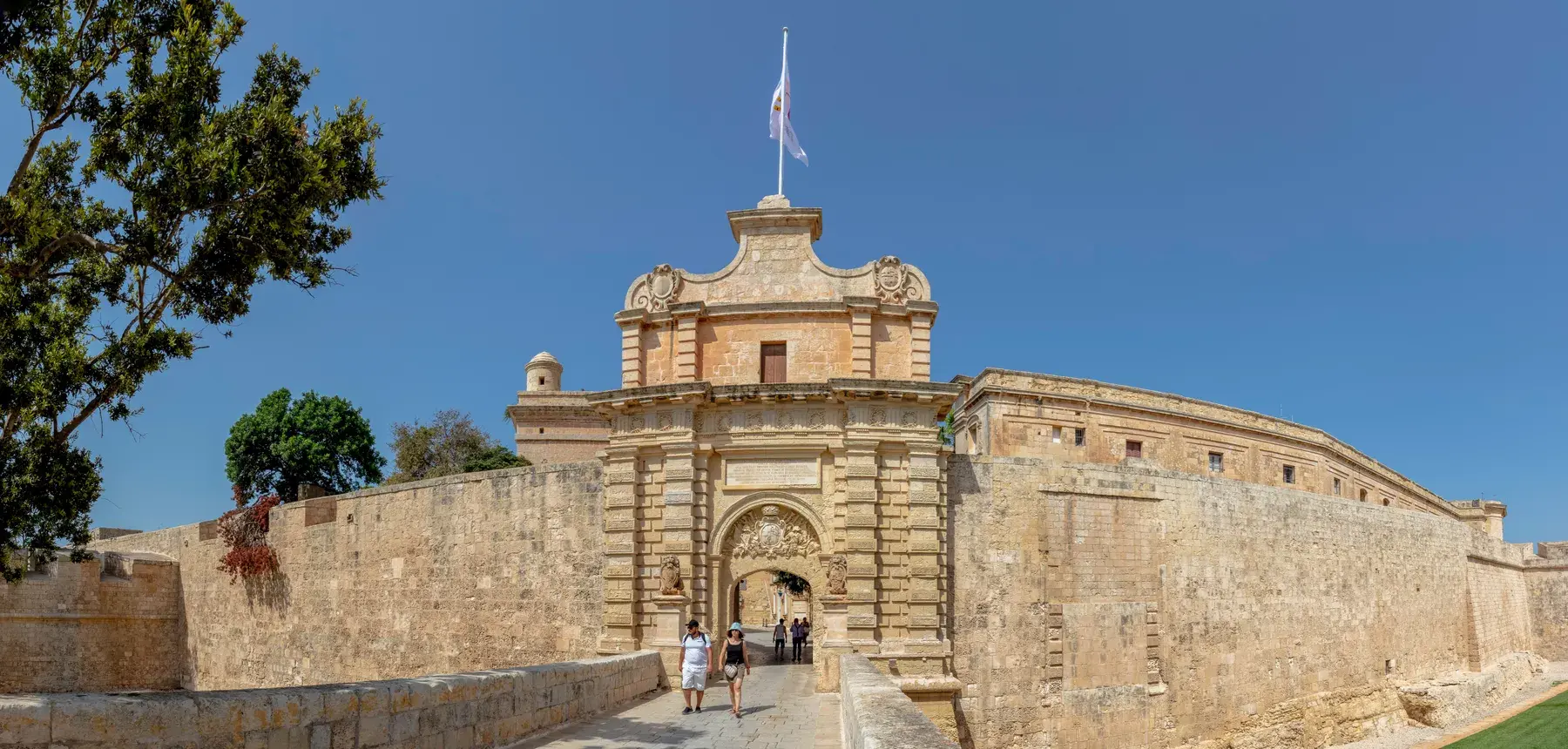
Mdina, the old capital, is a walled maze of narrow lanes that goes almost silent after dark. Just outside its walls, Rabat adds St Paul's Catacombs and real village life. There's a guided walking tour of both if you'd rather hear the stories.
Dingli finishes the day: cliffs over 200 metres high, the tallest on the island, with a tiny chapel near the edge.
Fitting it around your nights out
A shadeless temple at noon in July, after a big night, is a bad idea. Save the open-air sights for early or late, and use the middle of the day for churches and museums. Opening hours and last admission change with the season, so check each site's official page.
To work out which bus you need, read how to get around, and open the party calendar before deciding which day you're setting an alarm.