Three inhabited islands, one airport
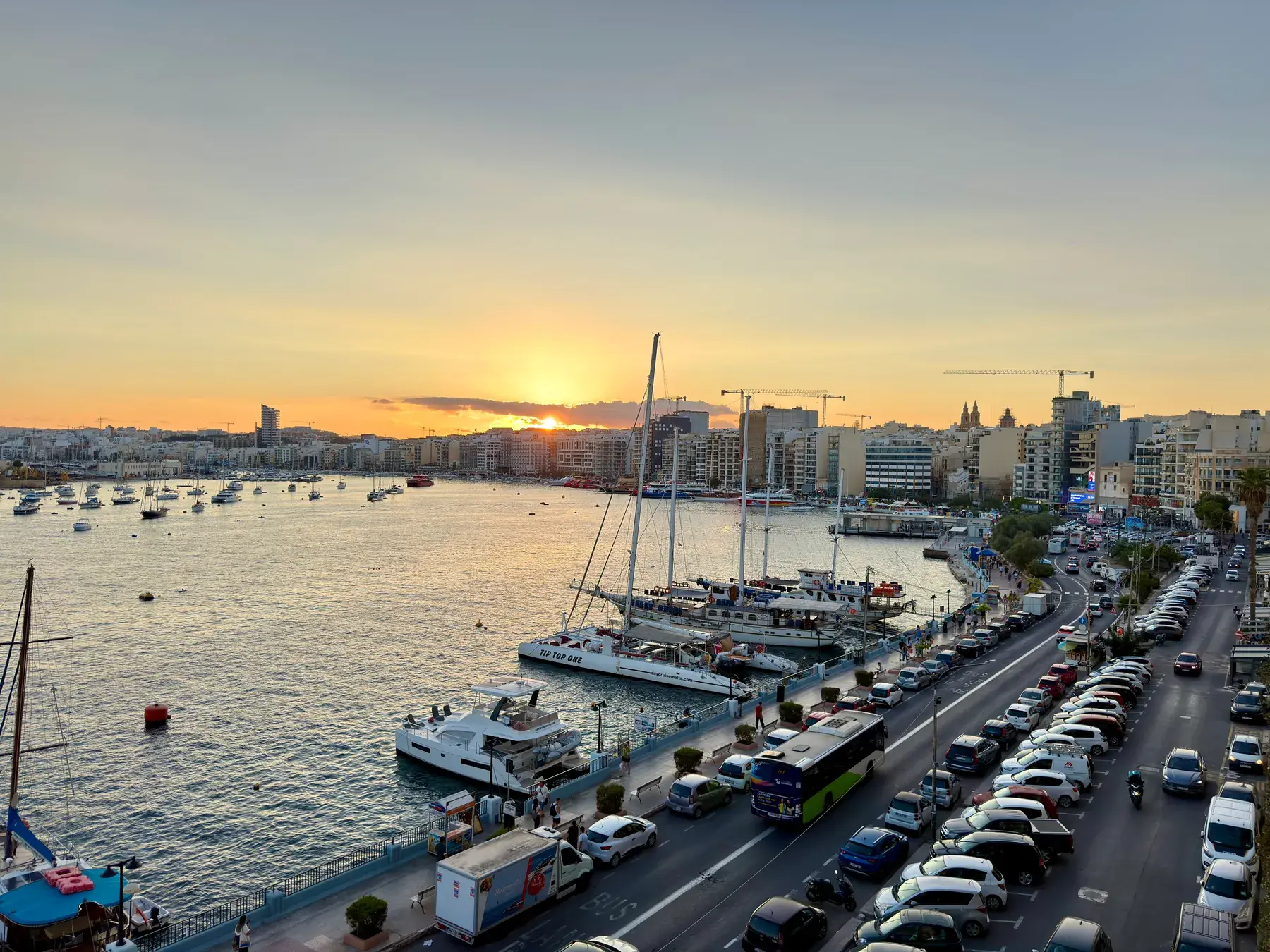
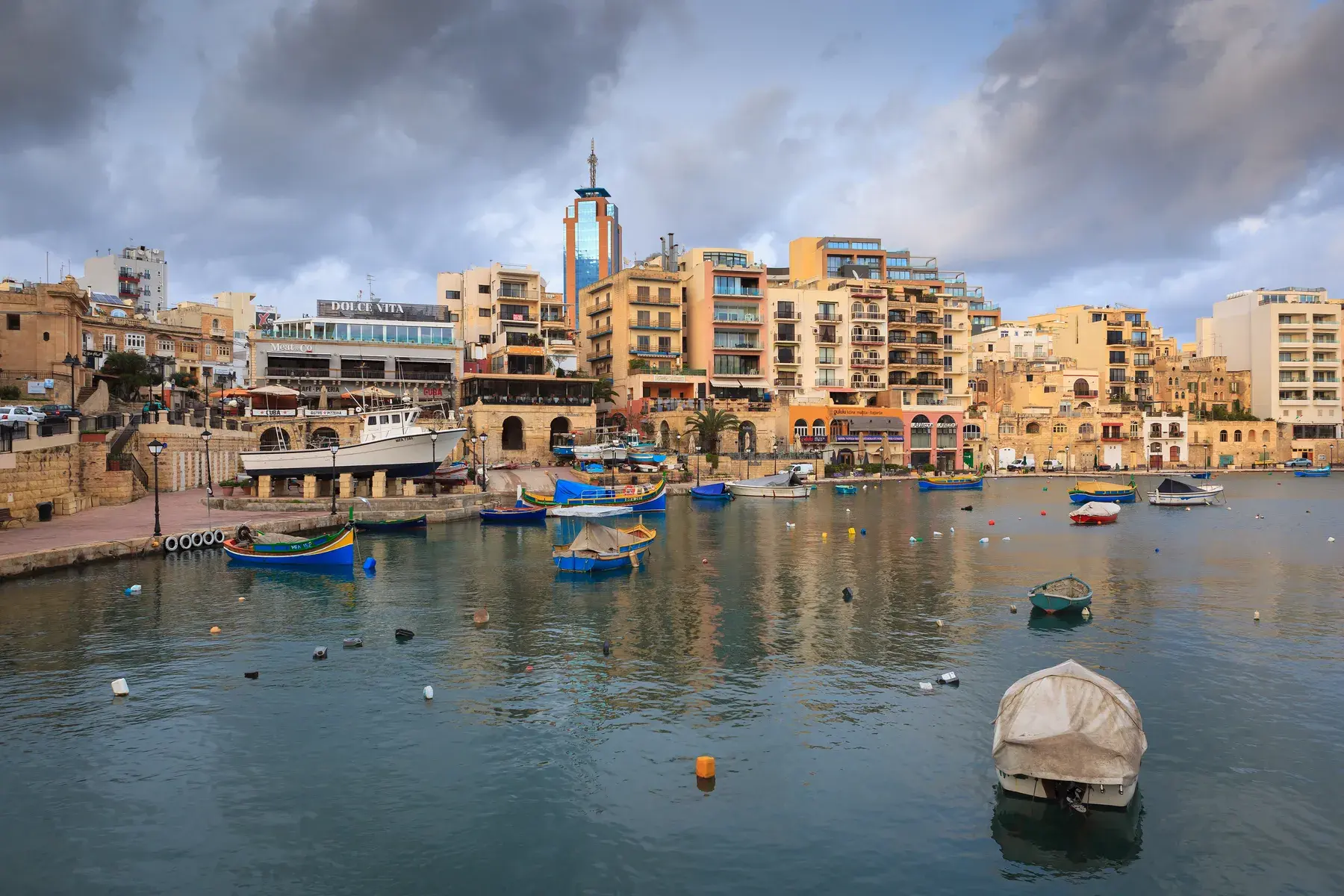
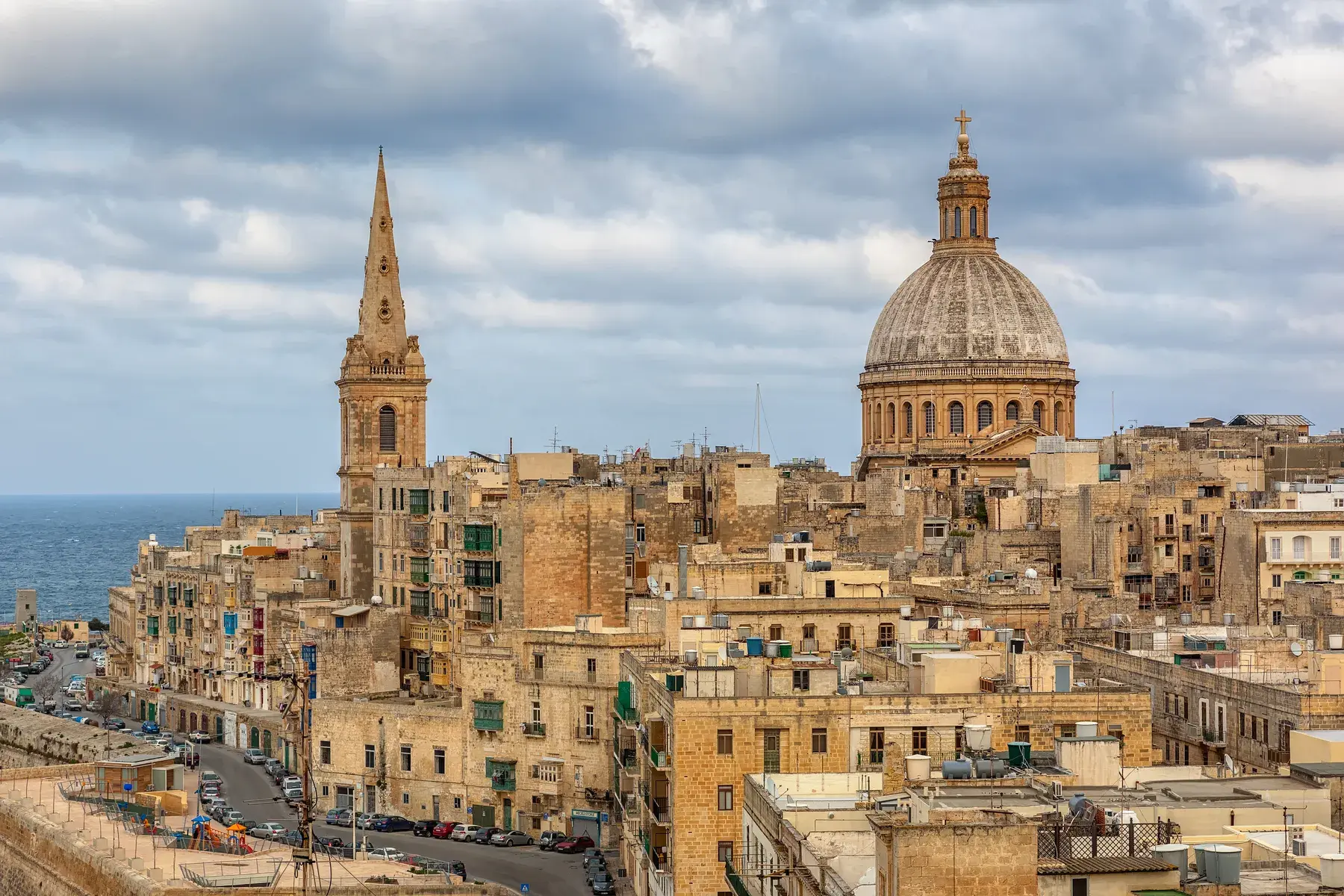
The main island, which gives the country its name, has the airport, the clubs and most of the places to stay. Valletta, the capital, fills a small peninsula between two harbours, but the nightlife is a few kilometres away in St Julian's.
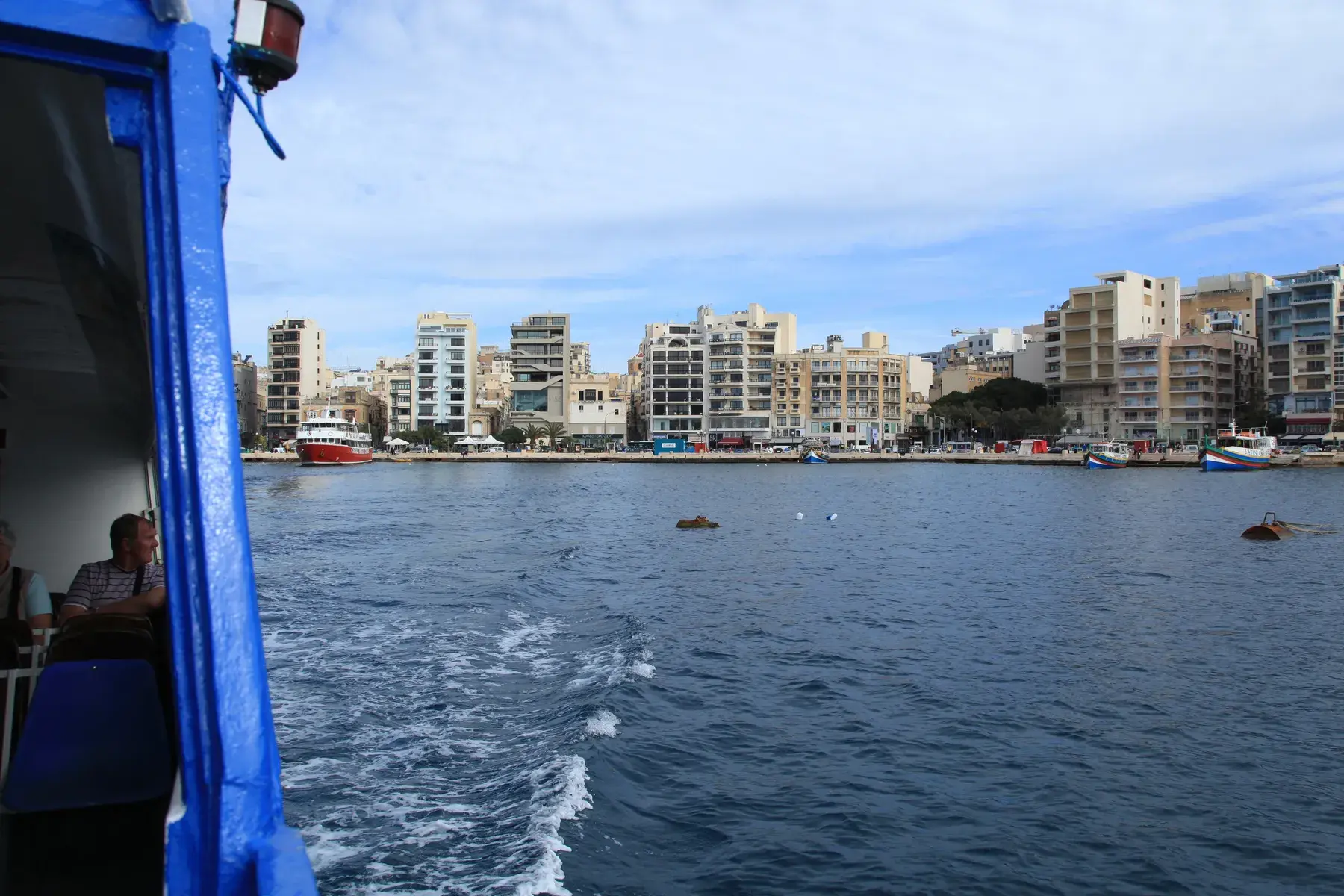
Gozo is quieter and more rural, about 25 minutes away by ferry. Comino, between the two, has only a handful of residents, so people visit by boat and usually just for the day. Here's how to plan both.
Which ID to bring, depending on where you're from
With EU, EEA or Swiss citizenship, a valid national ID card or passport is enough. As the country is in Schengen, flights from other member states often have no check on arrival, but your airline will still ask for ID. A driving licence or a photo on your phone won't do.
Coming from outside the EU, the UK included? Bring a passport and check before you book whether you need a visa, how much validity is required and where the EU's new border systems, EES and ETIAS, stand. These rules change, so go by official pages rather than a forum.
Clubs ask for photo ID again on the door, so bring the original and read up on minimum age and opening hours.
Language and money day to day
Menus, signs and everyday chat all work in English, and quite a few older people understand Italian. Between neighbours you'll hear Maltese, a Semitic language written in the Latin alphabet; a grazzi (thanks) always goes down well.
Cards are accepted almost everywhere, but keep some cash for pastizzi kiosks and village feast stalls.
Plugs, phones and health cover
Mains power is 230 V, so your chargers work with a simple adapter, no converter needed. Buy one before you leave, ideally with USB ports.
On an EU SIM you pay your usual rates, within your provider's fair-use limits. On a non-EU line, British ones included, ask first: it can get expensive, and an eSIM is sometimes the better deal.
Get your EHIC before you travel (UK residents, the GHIC). It covers necessary care in the public system, where Mater Dei in Msida is the main hospital, but not private clinics, repatriation or theft. That's why many people add travel insurance, worth checking closely if you plan on jet skis or quads.
Left-hand traffic matters on foot too
It's a leftover from British rule, which ended with independence in 1964, and it affects you even if you never touch a wheel: look right first when crossing. If you hire a car, the steering wheel is on the right; the rest is in how to get around the island.
What to pack
The things people most often wish they'd brought:
- Water shoes: much of the coast is rock, and some spots have sea urchins.
- Sunscreen and a cap: there's almost no shade on boats or rocks.
- Club outfit: check the dress code before you zip the bag.
- Something to cover shoulders and knees: churches ask for it.
- Light jacket: for boats and breezy nights.