The temple builders who vanished
The first settlers crossed from Sicily in the Neolithic, and by around 3600 BC their descendants were raising temples with stone tools. A thousand years later that culture faded out, and nobody's sure why.
Ġgantija on Gozo is still standing, as are Ħaġar Qim and Mnajdra above the southern cliffs. Strangest of all is the Hypogeum, a burial complex cut into the rock beneath a street in Paola.
Phoenicians, Rome and a famous castaway
From around the 8th century BC, Phoenician sailors used these harbours as a stopover. Carthage followed, and in 218 BC Rome took the islands. According to the Acts of the Apostles, a ship carrying Saint Paul as a prisoner ran aground here around AD 60.
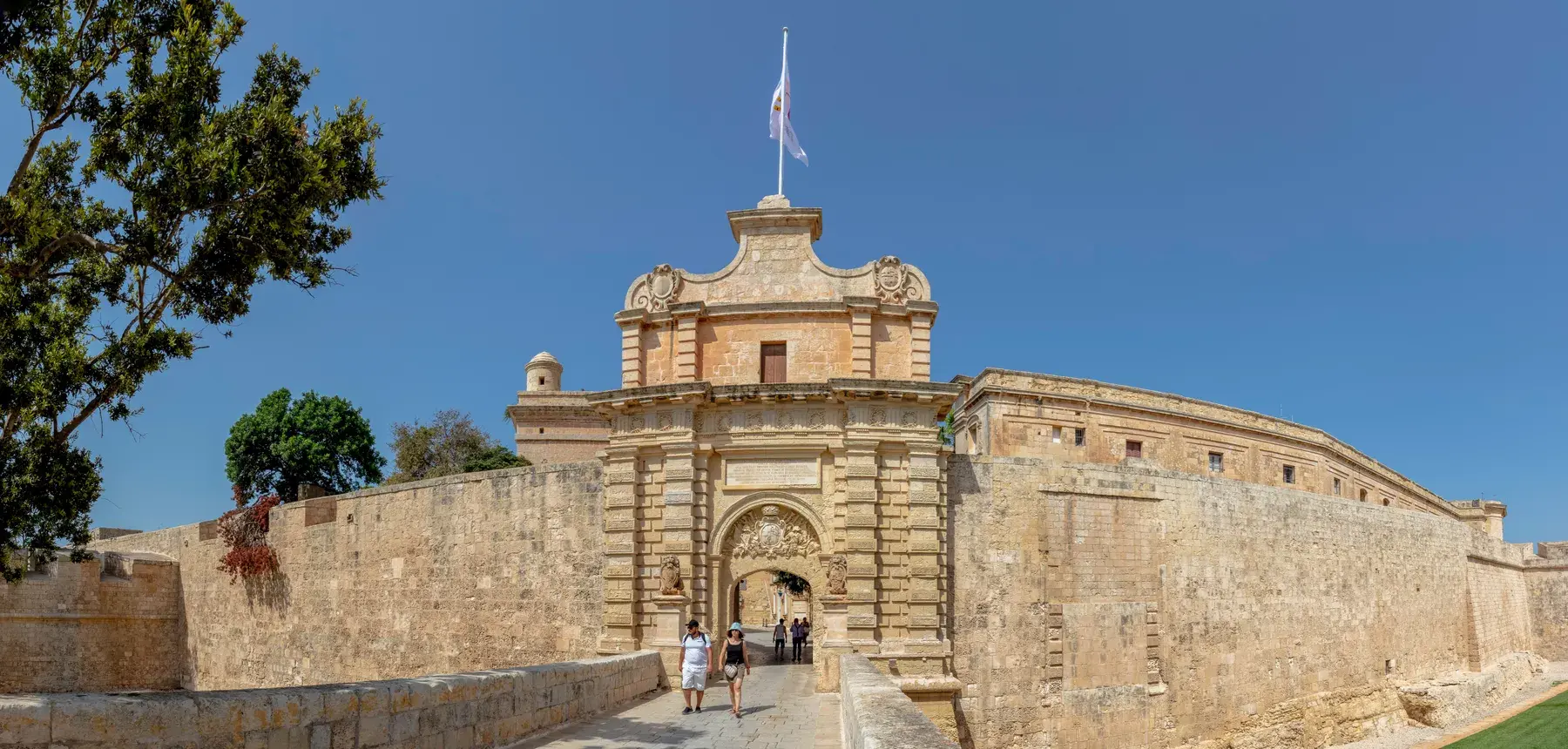
Rabat holds this chapter: the Domvs Romana and St Paul's Catacombs, both a short walk from Mdina, which is better with a guide.
Arabs, Normans and a language that stuck
Arab rule began in 870 and left almost no buildings, but something more durable: the base of today's language and place names such as Mdina, “the city”, and Rabat, “the suburb”. Then came the Normans, and the islands passed from crown to crown until they ended up with Spain.
A rent of one falcon, then the Great Siege
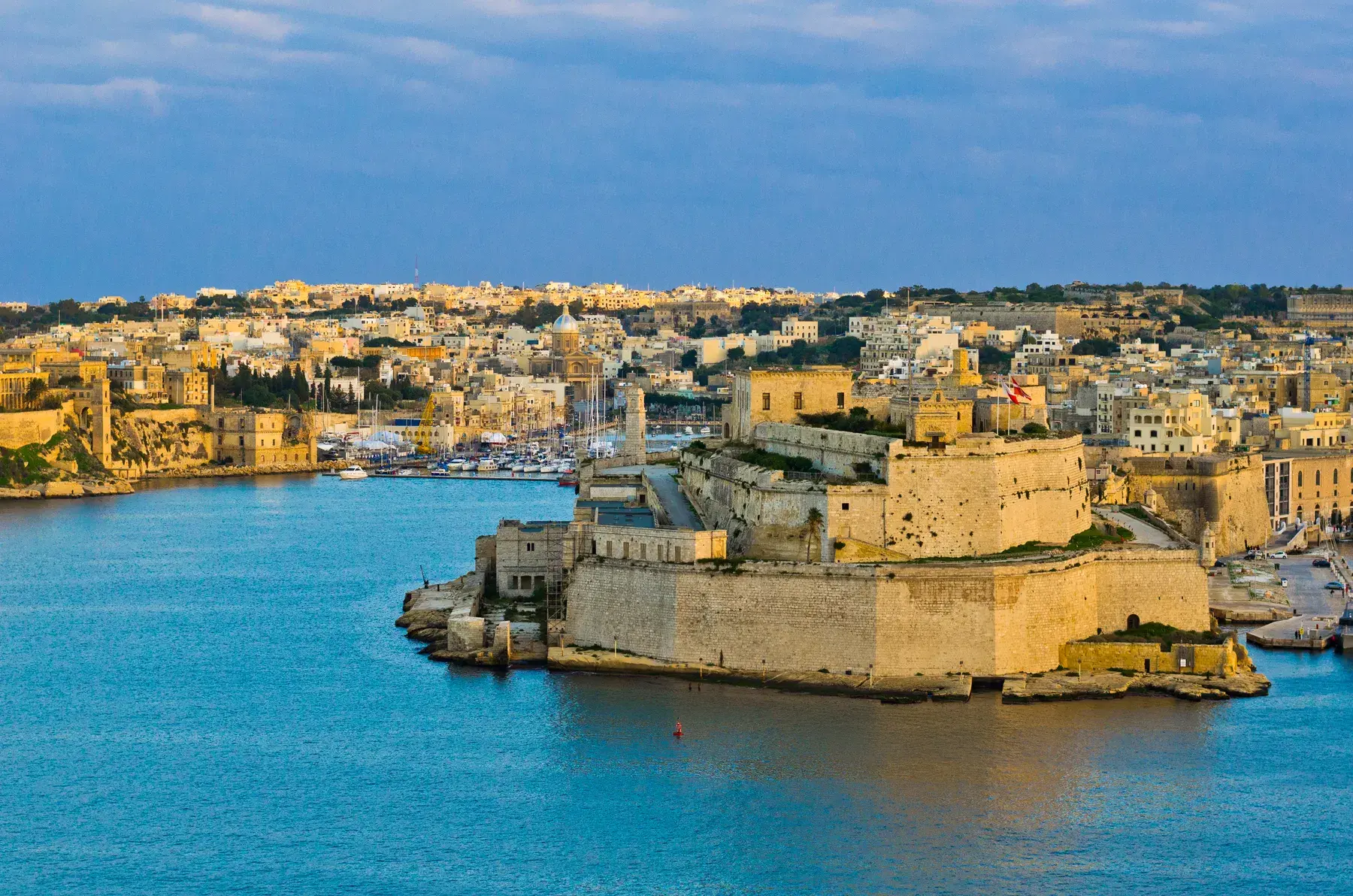
Charles V handed the islands to the Knights of St John in 1530, years after the Ottomans had thrown them out of Rhodes. The rent was one falcon a year. They settled in Birgu, where Suleiman the Magnificent's fleet found them in 1565, with tens of thousands of men. The Knights and the Maltese held out for almost four months, lost Fort St Elmo and kept fighting until relief came from Sicily.
To see the battlefield, take a boat across the Grand Harbour from Valletta to Birgu and climb Fort St Angelo.
A new city and a painter on the run
The following year, Grand Master Jean de Valette laid the first stone of a fortified capital on the peninsula opposite, set out on a straight grid and named after him.
Its best story is inside the Co-Cathedral. Caravaggio arrived in 1607 on the run from a murder sentence in Rome: he was made a Knight, painted The Beheading of Saint John the Baptist, the only work he ever signed, and landed in jail after a brawl, then escaped and was thrown out.
Napoleon for six days, the British for 164 years
On his way to Egypt in June 1798, Napoleon took the island almost without a fight and expelled the Knights after 268 years. He left within a week, but his garrison looted the churches and the population rose up. With British support, the French surrendered in 1800.
The British stayed and made the Grand Harbour their naval base. You can still visit Fort Rinella, home to a 100-ton gun.
Bombs, independence and the euro
Between 1940 and 1942 these islands were among the most heavily bombed places of the war. In April 1942, George VI awarded the George Cross to the entire population, and the medal is still on the flag. The Lascaris War Rooms beneath Valletta tell the story from the inside.
The ending moves faster: independence in 1964, a republic in 1974, the EU in 2004 and the euro in 2008. These days the only long queues are outside the clubs, so check the party calendar.